

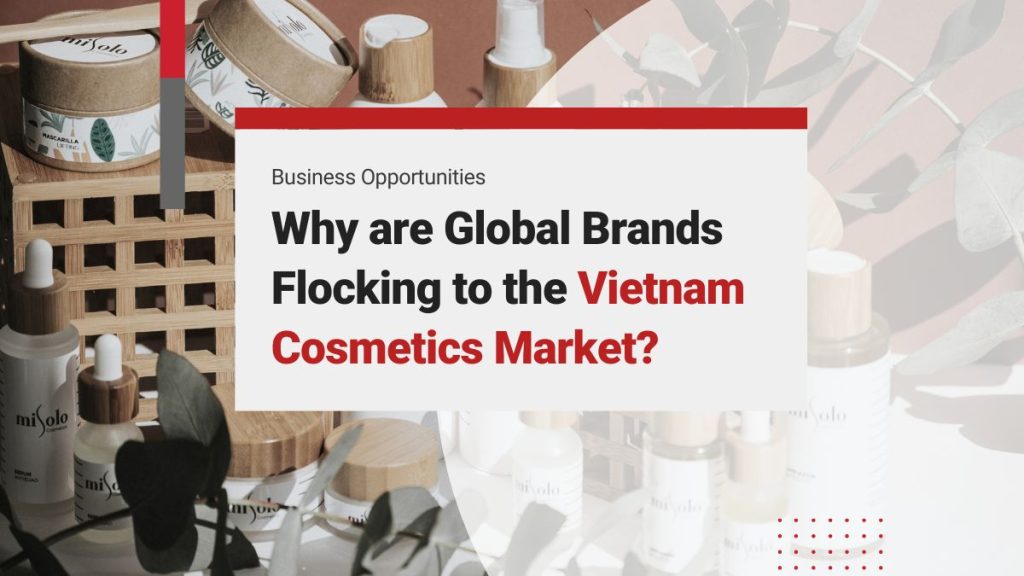
Yes—cosmetics translation is a promising niche in Vietnam, especially if you specialize beyond general translation and position yourself within the beauty, skincare, regulatory, and e-commerce sectors.
Why the opportunity exists
Vietnam’s cosmetics market has been growing steadily, driven by rising incomes, beauty-conscious consumers, e-commerce, and the expansion of international brands. Multiple market analyses project continued growth through the late 2020s, with strong demand for imported skincare, makeup, and personal care products.
As a result, foreign brands entering Vietnam need:
- Product label translation
- Ingredient and INCI terminology translation
- Marketing localization
- E-commerce content translation
- Regulatory documentation
- Distributor and importer communications
- Training materials for beauty advisors and sales teams
The most valuable translation niches
1. Regulatory and compliance translation
This is often the highest-value segment.
Examples:
- Product Information Files (PIF)
- Safety assessments
- Ingredient documentation
- Product registration dossiers
- GMP-related documents
Because cosmetic products must comply with Vietnamese regulations, accuracy is critical and machine translation alone is usually insufficient.
2. Marketing localization
Many Korean, Japanese, French, and European beauty brands need adaptation—not just translation.
Examples:
- Product descriptions
- Social media campaigns
- Brand storytelling
- Influencer briefs
- Website localization
A translator who understands both beauty terminology and Vietnamese consumer preferences can command higher rates.
3. E-commerce content
The rapid growth of online beauty sales on platforms such as Shopee, Lazada, TikTok Shop, and brand websites creates a constant demand for localized product content.
4. Training and education
Beauty brands regularly translate:
- Skincare science materials
- Sales manuals
- Product launch presentations
- Beauty consultant training programs
Language pairs with strong demand
The most attractive combinations are:
| Language Pair | Demand |
|---|---|
| English ↔ Vietnamese | Very high |
| Korean ↔ Vietnamese | Very high |
| Japanese ↔ Vietnamese | High |
| French ↔ Vietnamese | Moderate but specialized |
| Chinese ↔ Vietnamese | High |
| German ↔ Vietnamese | Niche but profitable |
For someone interested in France and cosmetics, French–Vietnamese cosmetics translation can be particularly attractive because many premium and luxury beauty brands originate in France.
Skills that increase earnings
Besides language ability, learn:
- Cosmetic ingredient terminology (INCI names)
- Dermatology basics
- Cosmetic regulations
- SEO and e-commerce writing
- AI-assisted translation workflows
- CAT tools such as SDL Trados Studio and memoQ
Challenges
- General beauty-product translation is increasingly assisted by AI.
- Simple product descriptions are becoming commoditized.
- Translators who only do basic English-Vietnamese translation may face price pressure.
The stronger opportunities are in:
- Regulatory translation
- Luxury beauty localization
- Scientific skincare content
- Multilingual project management
Career outlook
If you combine:
- A foreign language (especially French, Korean, Japanese, or English),
- Knowledge of cosmetics and skincare,
- Familiarity with regulations and localization,
you can position yourself as a cosmetics localization specialist rather than a general translator. That specialization is likely to remain valuable even as AI handles more routine translation work.
