

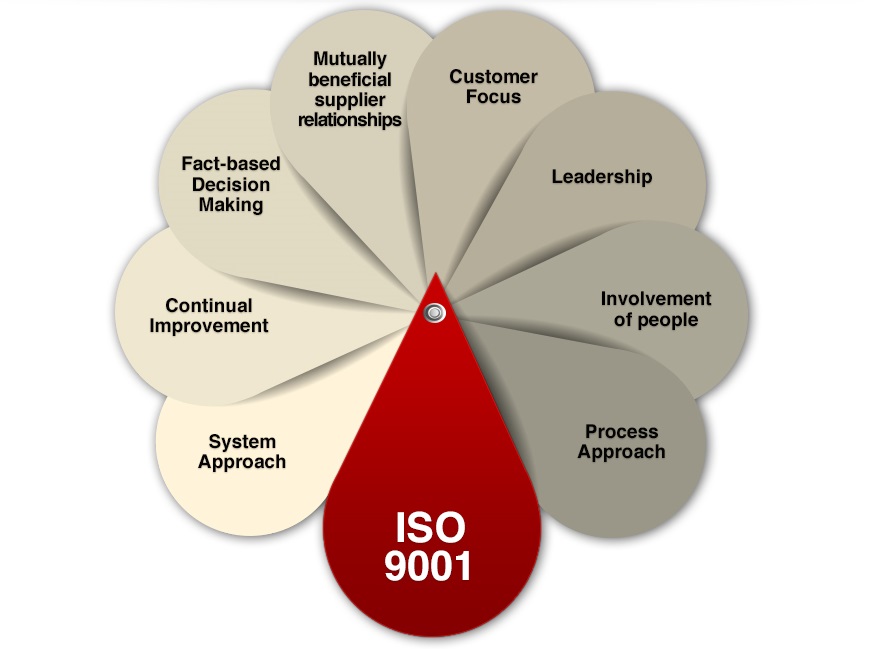
ISO 9001:2015 is not a translation-specific standard — it’s a general quality management system (QMS) standard that can apply to any organization, including translation companies.
However, many translation service providers seek ISO 9001:2015 certification to demonstrate that they have robust quality management processes in place across all areas of their business, including translation.
Here’s a breakdown of what it means and how it applies to translation services:
What ISO 9001:2015 Is
ISO 9001:2015 is an internationally recognized standard for quality management systems (QMS).
It ensures that an organization:
- Meets customer and regulatory requirements.
- Continuously improves its processes.
- Consistently delivers high-quality products or services.
How It Applies to Translation Companies
For a translation agency or freelancer, ISO 9001:2015 certification shows that they have a structured approach to quality management. This can include:
- Client Communication and Requirements
- Ensuring client needs are clearly defined before starting a project (e.g., purpose, audience, formatting, terminology).
- Process Control
- Defining each step in the translation workflow — from quoting and project management to translation, editing, and delivery.
- Quality Assurance
- Setting up review and feedback systems.
- Tracking errors and client complaints to prevent future issues.
- Continuous Improvement
- Using performance metrics (like turnaround times, client satisfaction, or error rates) to improve processes and translator training.
- Risk Management
- Identifying and managing risks that could affect quality (e.g., technical issues, staffing, confidentiality breaches).
ISO 9001:2015 vs. ISO 17100
| Feature | ISO 9001:2015 | ISO 17100 |
|---|---|---|
| Scope | General quality management (all industries) | Specific to translation services |
| Focus | Customer satisfaction, process improvement | Translation workflow, translator qualifications |
| Who can be certified | Any organization | Translation service providers only |
| Includes | Process management, leadership, risk-based thinking | Translation, revision, reviewer qualifications, terminology, confidentiality |
In practice, many translation agencies hold both certifications:
- ISO 9001:2015 for overall business quality management.
- ISO 17100 for translation-specific quality assurance.
Why It Matters
For clients, an ISO 9001:2015–certified translation company means:
- Transparent, documented processes.
- Commitment to continual improvement.
- Reliable and consistent service quality.
For translation providers, it enhances credibility, efficiency, and client trust, especially when working with corporate or government clients who require certified suppliers.
Would you like me to show a comparison of what a translation agency’s ISO 9001 documentation might include (like sample procedures or quality policies)? That can make it clearer how it’s applied in real-world translation settings.
