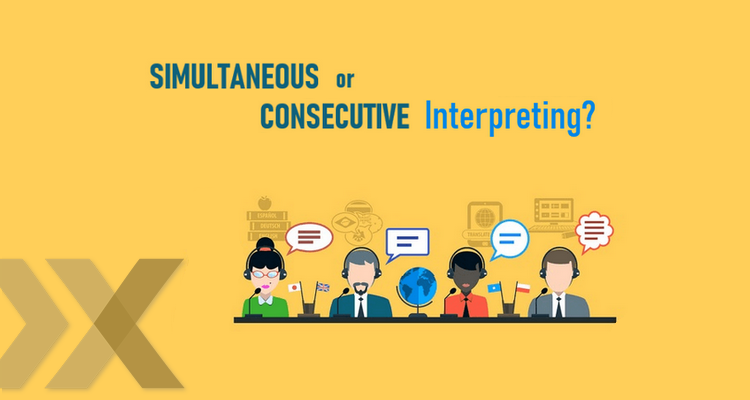
Simultaneous interpreting is a mode of interpretation where the interpreter translates the speaker’s words in real time, with only a slight delay (a few seconds). This type of interpretation is commonly used in international conferences, live broadcasts, courtrooms, and large multilingual events.
Key Features of Simultaneous Interpreting
🔹 Real-Time Translation: The interpreter listens and translates almost simultaneously.
🔹 Minimal Speaker Pauses: The speaker does not stop for the interpreter, making the process fast and seamless.
🔹 Requires Special Equipment: Usually done using headsets, microphones, and soundproof booths to avoid disruptions.
🔹 High Cognitive Load: Demands extreme concentration, active listening, and quick decision-making.
Advantages
✅ Faster and more efficient than consecutive interpreting
✅ Allows smooth communication without interruptions
✅ Ideal for large-scale events with multilingual audiences
Disadvantages
❌ Extremely demanding; interpreters need frequent breaks
❌ Higher risk of missing nuances due to speed
❌ Requires professional training and experience
Would you like tips on improving simultaneous interpreting skills or information on necessary equipment? 😊